
Bench Warrants in McMinn County
A bench warrant is a practical term for court process tied to a missed appearance or unmet court condition. The exact docket may say failure to appear, capias, or another local entry. McMinn County does not publish one countywide bench-warrant definition or a standard recall fee.
The important first fact is which court set the obligation. County criminal and Sessions questions go to the Circuit Court Clerk. A city ordinance or traffic matter goes to Athens, Calhoun, Englewood, Etowah, or Niota’s own court clerk. The Sheriff may serve the order, but the issuing court controls the case.
McMinn County Bench Warrants and Englewood
Englewood’s Town Court publishes specific traffic instructions. It meets every third Tuesday at 4:00 p.m.; the page allows one clerk reset and asks for seven days’ notice to contest a citation. It warns that missed or unpaid matters may be forwarded to Tennessee Homeland Security and may lead to suspension or a warrant.
Those are Englewood rules, not a countywide guarantee that every missed date creates the same process. Follow the date printed on the citation and contact the town court before the stated contest window if a reset or hearing is needed.
The Englewood Town Court page gives the local schedule and payment route.
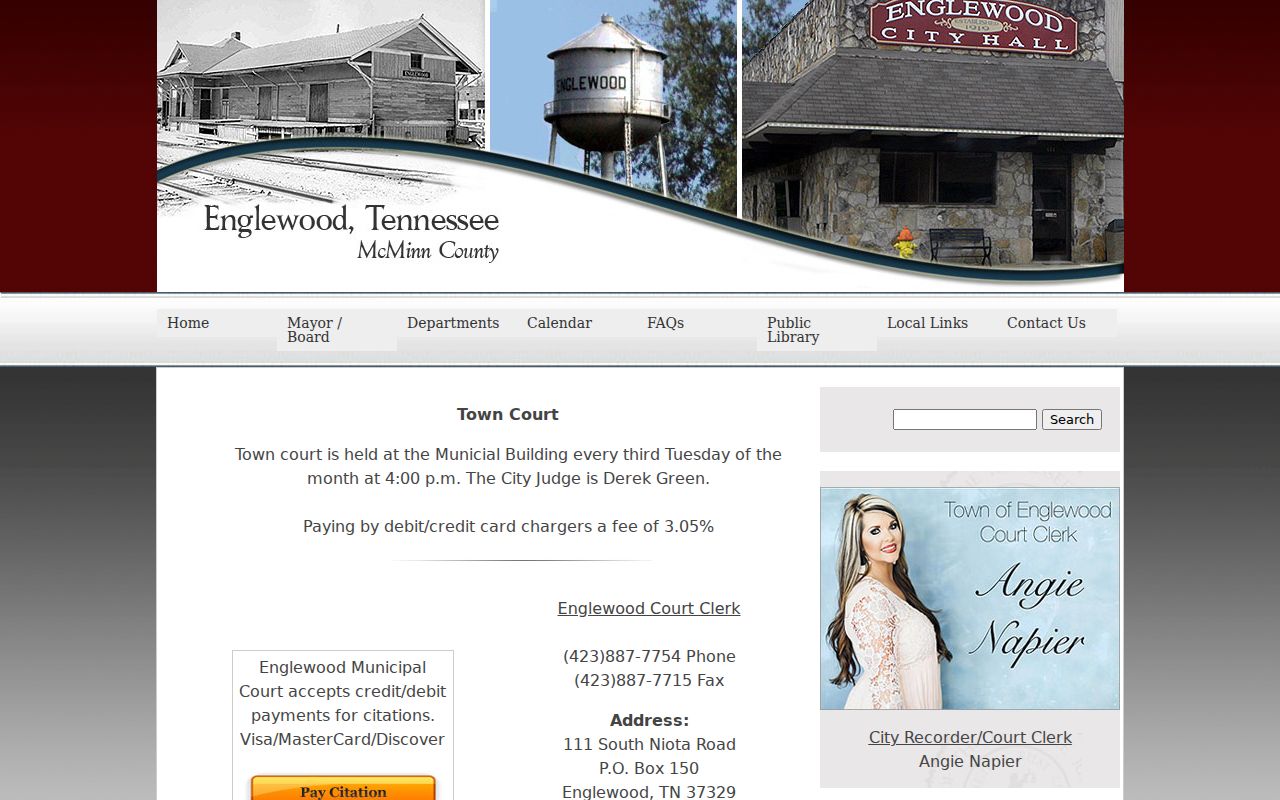
That page describes a city citation process, not a county criminal warrant lookup.
How a McMinn County Bench Warrant Is Issued
A judge or authorized court process follows the case and the missed obligation. Tennessee Rule 9 also provides for a capias or summons after indictment or presentment in specified circumstances. A Rule 9 capias is not simply another name for every missed traffic date.
After process issues, the court keeps the case record and an authorized officer may serve it. The Sheriff lists court-process duties but does not publish a public execution-status search. No verified McMinn County system shows a shared update time for every court and city.
The Tennessee criminal-rules index links to Rules 4 and 9. Ask the issuing clerk which rule or docket event applies.
Rule 9 Capias and McMinn County Cases
Tennessee uses “capias” in Rule 9 for a process issued after indictment or presentment in defined circumstances. The rule describes a command to arrest and bring a person before court. “Bench warrant” remains a practical label that may be used differently by a local docket.
- FTA
- Failure to appear; a court event with consequences set by the case and court.
- Capias
- Rule 9 process after indictment or presentment, not a synonym for every traffic warrant.
- Recall
- A court action that withdraws its process.
- Quash
- A court order setting aside the process.
A court record can be sealed, so a public docket may not show every entry. Rule 34 and applicable juvenile rules set access limits.
The official Tennessee rules index is the source for the Rule 9 terms.
Use the label printed by the issuing court.
Bench Warrant vs Arrest Warrant
A bench or FTA process is tied to an existing court obligation. A Rule 4 arrest warrant begins with a complaint and probable-cause review. The papers can both authorize custody, but the trigger and case stage differ. See McMinn County arrest warrant details for the complaint-based path.
| Feature | Bench Warrant | Arrest Warrant |
|---|---|---|
| Trigger | Missed appearance or court condition | Complaint supported by probable cause |
| Case stage | An existing court obligation | A complaint-based criminal matter |
| Record route | Clerk for the court that set the appearance | Clerk for the issuing court |
| Next step | Ask about appearance, motion, or other court direction | Ask the issuing court about appearance and bond |
Niota’s Missed-Court Fee in McMinn County
Niota’s official police and court page says a missed court date adds a $50 failure-to-appear fee. It gives a court contact and citation-payment options, but it does not publish a warrant search or say that paying the fee recalls a separate warrant.
The online payment portal is for court dates from 2018 forward. Older matters may require an archive fee. A missing portal result could reflect that date limit, not the absence of a record. Contact the Niota clerk with the citation number and ask what court action remains.
The city page is the source for current payment instructions.
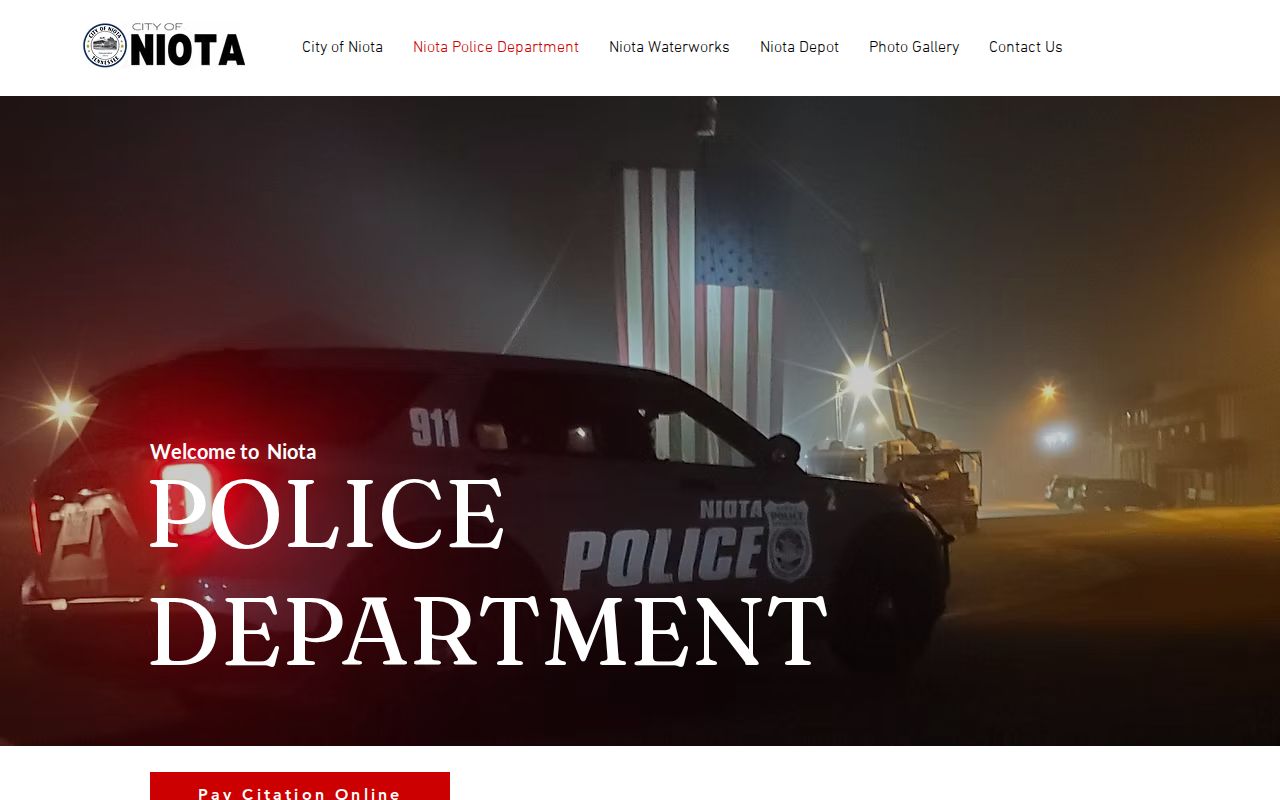
Niota’s published fee is city-specific and is not a county warrant bond.
How to Resolve a Bench Warrant
There is no verified McMinn County walk-in recall docket, universal fee, or standard surrender procedure. Start by asking the issuing clerk which court event appears and what filing, appearance, payment, or bond step is authorized. A Tennessee attorney can advise on a motion or on how to appear safely.
- Gather the notice, citation, case number, and any receipt or court date.
- Contact the issuing clerk and ask what status and next-step information can be released.
- Ask counsel whether a motion, scheduled hearing, bond step, or personal appearance is needed.
- Follow the court’s direction and keep written proof of payment, recall, release, or reset.
Caution: No countywide recall counter or walk-in process was verified. Confirm the required step with the issuing court or a Tennessee attorney before appearing.
No McMinn County Bench-Warrant Recall Desk
The reviewed county pages do not name a warrant window, same-day recall counter, walk-in surrender schedule, or standard bench-warrant bond. The Sheriff’s jail and visitation instructions are not a voluntary surrender procedure. Do not treat a public-records counter as a court hearing desk.
If a court directs an appearance, ask about time, identification, bond, counsel, and any motion the judge requires. If the matter is a city traffic case, follow that city court’s process. A payment confirmation can address a citation but does not prove a separate criminal capias has been recalled.
The McMinn County warrant resolution steps explain the county and city routing distinction.
Verify the plan with the court before travel.
McMinn County City and County Bench Warrants
A missed date has different documented effects across the county’s five municipal courts. Englewood describes a reset and contest notice; Niota publishes an FTA fee; Etowah warns of a state license consequence; Athens prints the appearance date on the citation. Calhoun has no verified online case or warrant portal.
These examples are reasons to call the specific clerk, not rules to apply to another city or a criminal case. Ask whether the docket shows a new warrant, capias, fee, suspension report, or hearing. Keep each answer tied to the actual case record.
The Tennessee Department of Safety handles license reinstatement after local requirements are cleared. A license release and a court recall are separate steps.
One missed date can create more than one record trail.
Which McMinn County Court Issued It
The Circuit Court Clerk handles records for Circuit, Criminal, Sessions, Juvenile, Traffic, and Child Support Courts. General Sessions conducts felony preliminary trials and handles misdemeanor matters within its jurisdiction. The 10th Judicial District includes McMinn County, and the clerk is a practical route to the named county docket.
Municipal warrants belong to the city court that set the case. Athens, Calhoun, Englewood, Etowah, and Niota have separate clerks. Use the court name and case number from the paper; a statewide clerk directory can help when the office is unclear.
The Sheriff may serve process, but the issuing court controls recall. For county-level routing, ask the Circuit Court Clerk to identify the right public office.